gCMOB on Tablet Guide: Bigger-Screen CCTV Monitoring at Home and Work

Use gCMOB on an Android tablet: wall and desk monitoring setups, bigger grid views, tablet performance tips, keeping a monitoring tablet secure, and playback review on a larger screen.

Rated 4.5/5 · 204.5k

Introduction

A spare Android tablet makes an excellent permanent camera monitor: bigger than a phone, cheaper than a dedicated monitor, and always on the right screen. gCMOB on a tablet suits kitchen counters, shop desks, and reception points where a live glance should take one second, not an unlock and a search through apps.

This guide covers setup, layout, and the practical habits that make a monitoring tablet reliable rather than a novelty. The main gCMOB Download for Android - CCTV Camera Monitoring App Guide page brings the download, the app facts and the FAQs together in one place.
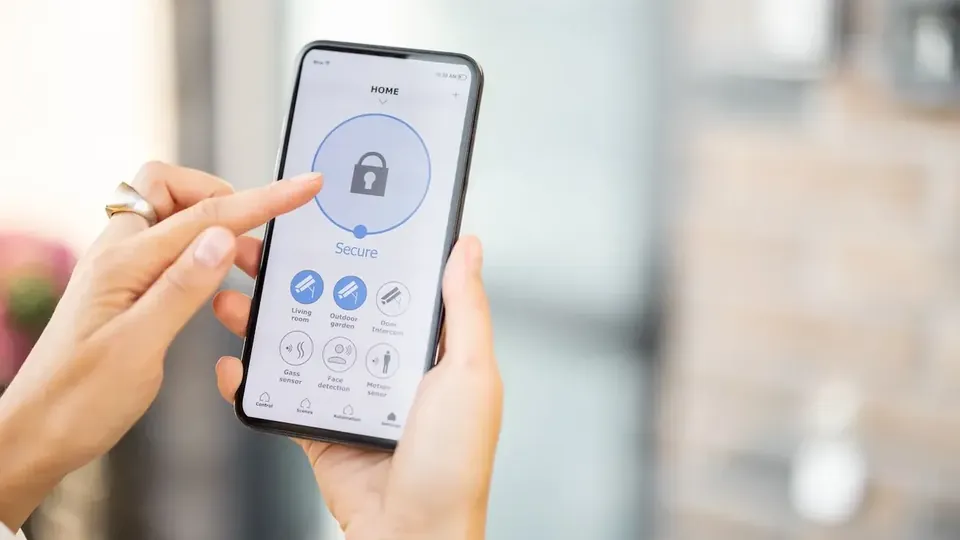
Why a Tablet Works as a Monitoring Station

The tablet's job is presence: a live grid that is simply there. That changes behavior, because people check a visible screen constantly and a phone in a pocket rarely. Incidents get noticed while they are still small.

Tablets also review playback better than phones. Scrubbing a timeline and judging detail on a ten-inch screen is faster and more accurate:

  • Always-visible screens get checked
  • Bigger grids stay readable
  • Playback review is easier
  • One-touch access for staff or family
  • Old tablets gain a useful second life

Setting Up gCMOB on the Tablet

Install gCMOB, add the same devices with the same names as your phone, and sign in with an account appropriate to the tablet's location. A tablet that lives in a shop should not carry the owner's admin account.

  1. Install gCMOB from the official store.

  2. Add devices by QR code or serial number.

  3. Use a role-appropriate account, not admin.

  4. Name devices identically to your phone setup.

  5. Open the main grid and set your preferred layout.

  6. Disable lock-screen timeouts only if the location is secure.

Layouts for Desk and Wall Use

For a desk tablet, a four-channel grid of key views balances awareness and readability. Wall-mounted tablets near entrances often serve better with one large view of the entrance itself plus alert-driven checking.

Keep brightness moderate and use the tablet's ambient settings so the screen is comfortable as a permanent fixture, day and night:

  • Four-grid for desk awareness
  • Single entrance view for wall use
  • Moderate brightness for permanent display
  • Position screens away from public handling
  • Cable routing keeps stations tidy

Keeping a Monitoring Tablet Secure

A permanently signed-in screen is a security surface. Lock the tablet account with a PIN even in trusted spaces, restrict the gCMOB account to viewing rights, and keep the tablet's own software updated.

In customer-facing areas, the tablet should be staff-side only. A monitoring screen the public can touch or read closely is both a risk and a privacy problem:

  • PIN-lock even trusted locations
  • Viewing-only account on shared tablets
  • Keep tablet software updated
  • Staff-side placement in businesses
  • Remove the account if the tablet is retired

Performance and Power Habits

Permanent live grids are real work. Keep the tablet plugged in, prefer sub stream for the standing grid, and switch to main stream only when checking a detail. That balance keeps an older tablet smooth and cool through a full day.

If the app restarts or the tablet warms noticeably, reduce the grid size first; four light streams are kinder than nine heavy ones:

  • Plugged in for permanent use
  • Sub stream for the standing grid
  • Main stream for detail checks
  • Smaller grids help older tablets
  • Restart the app occasionally for freshness

Choosing Which Tablet and Where It Lives

Almost any Android tablet from the last several years runs a monitoring grid; screen size and a reliable charger matter more than processing power. Ten inches suits desks, while a smaller tablet fits kitchen shelves and reception counters.

Choose the spot by the glance, not by the socket: the screen should sit where eyes already go when entering the room, with power routed safely to it:

  • Screen size beats raw power
  • Position follows natural glances
  • Safe permanent power routing
  • Spare tablets are ideal
  • Test the spot for a day before fixing

Phone and Tablet Working Together

The natural division is alerts to the phone, awareness on the tablet. The tablet shows the standing picture; the phone interrupts only for events that deserve interruption. Trying to make both devices do both jobs recreates alert fatigue on a bigger screen.

Keep device names and favorites consistent across both, so anything spotted on one is instantly findable on the other:

  • Alerts belong to the phone
  • Awareness belongs to the tablet
  • Consistent names across devices
  • One interruption channel only
  • Both devices same device list

Troubleshooting a Tablet That Keeps Dropping Streams

A tablet that drops streams while phones stay stable usually suffers Wi-Fi position, aggressive battery saving, or age. Move it nearer the router for a day as a test, exempt gCMOB from battery optimization, and reduce grid size before replacing anything.

Heat is the other silent cause: a tablet in direct sun on a windowsill will throttle and stutter by afternoon:

  • Test nearer the router
  • Exempt the app from battery saving
  • Reduce grid size first
  • Keep the tablet out of direct sun
  • Age shows as heat before failure

Conclusion

A tablet running gCMOB earns its place by being present: the right grid, on a sensible account, in the spot where a glance matters. Set it up once with viewing-appropriate permissions and sub-stream grids, keep it powered and updated, and it quietly becomes the most-used screen in the building.

Your phone stays the away-from-base tool; the tablet becomes the base itself, and between the two, the cameras are simply always within sight. The companion guide gCMOB Live View Guide for CP Plus Cameras covers the neighbouring topic in the same step-by-step style. Readers moving on from here will find the neighbouring topic covered in full in Is gCMOB Safe to Use for CCTV Monitoring?.